1881 – Present
Our History
From a railway construction camp on the Texas blackland prairie to one of the earliest emergency medicine residencies in the nation.
A chronicle
Medicine at Temple
The story of this program is the story of a town the railroad built, a hospital the railroad needed, and the physicians who — generation after generation — chose to stay and teach.
Temple, Texas is founded by the Gulf, Colorado & Santa Fe Railway as a construction camp — named for Bernard Moore Temple (1843–1901), the civil engineer who laid the railway’s course through Bell County.
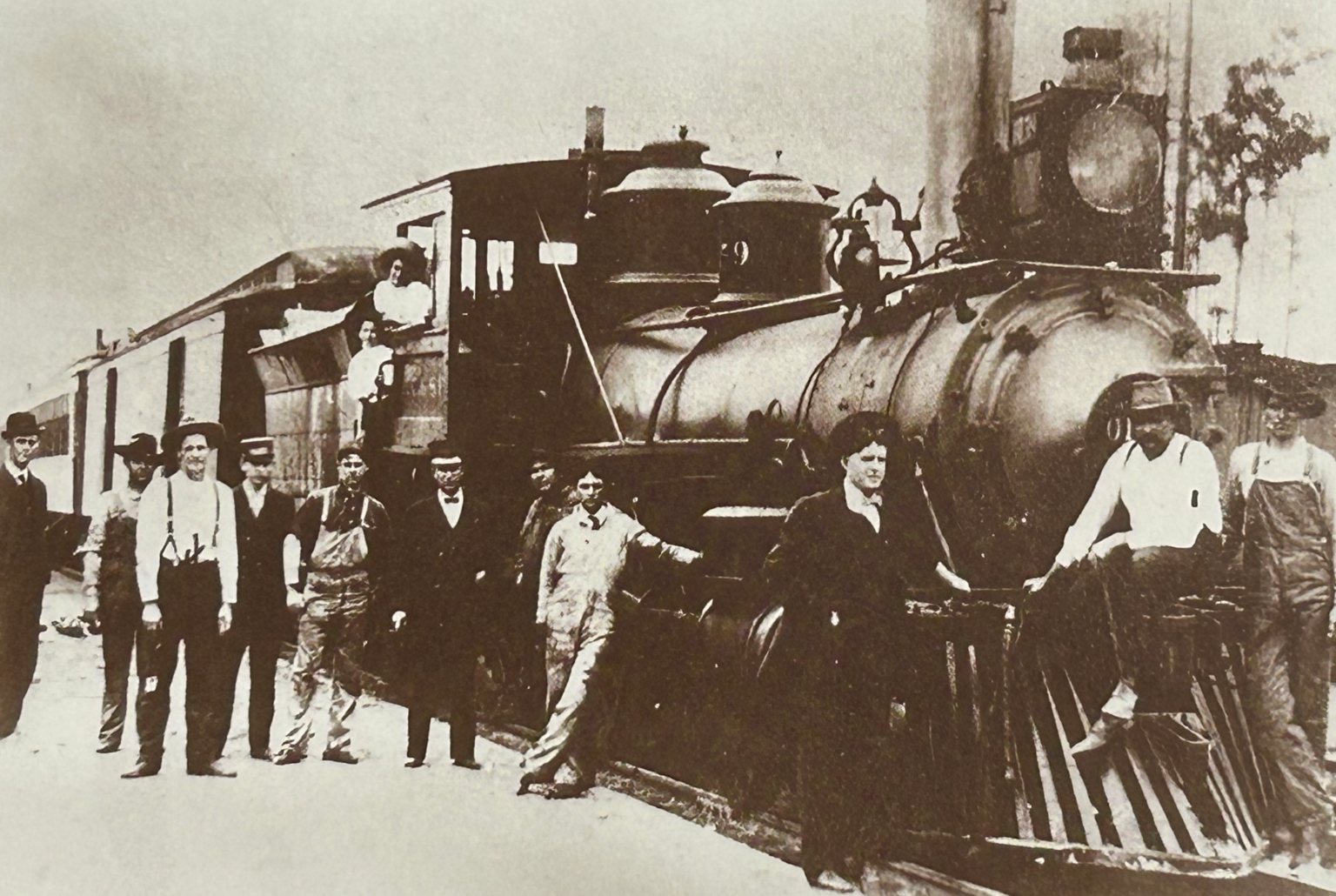
Railroad workers pose with an engine at the Santa Fe Depot — the town’s reason for being, and soon the reason it needed a hospital.
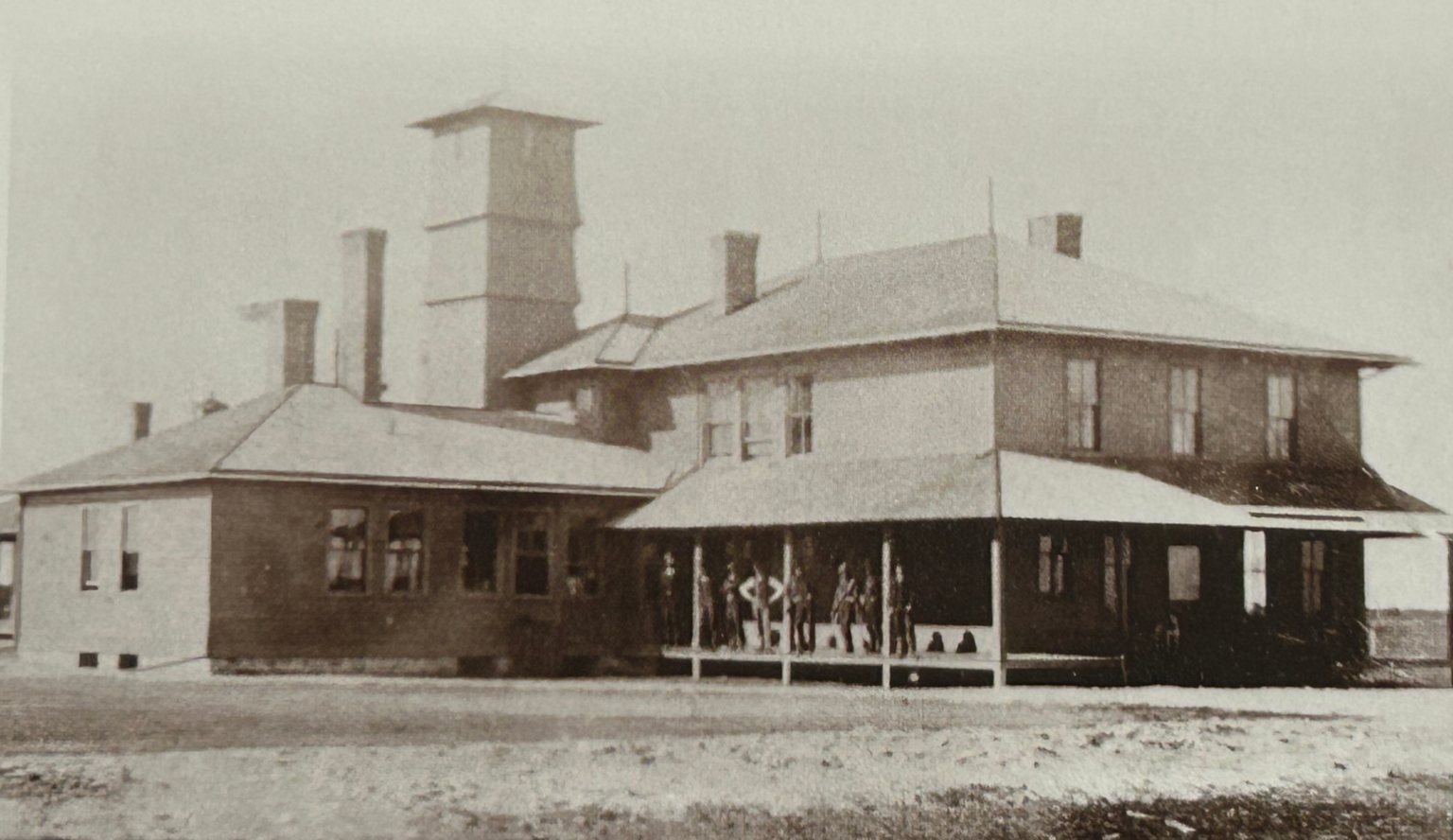
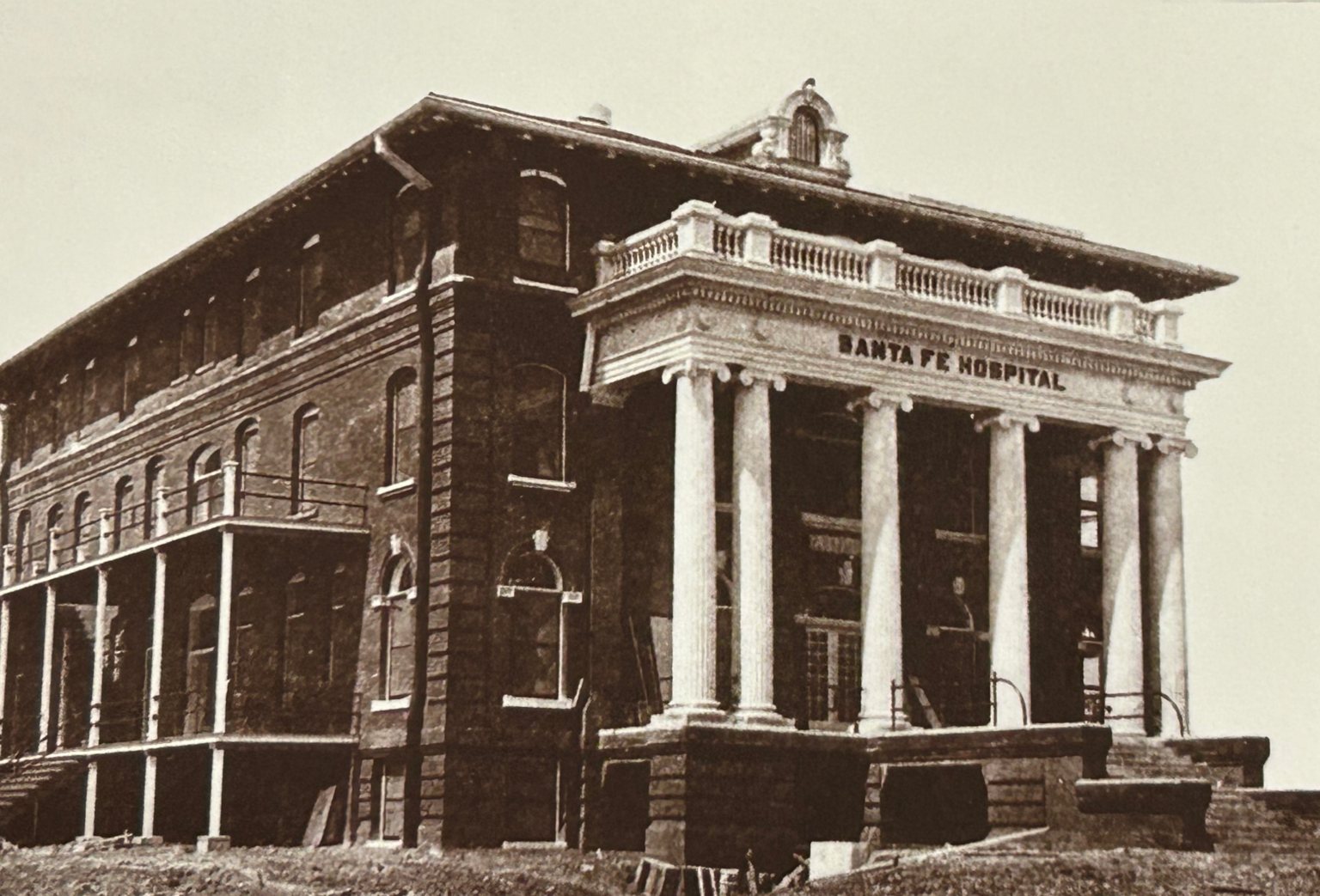
The Santa Fe Hospital opens as a wooden structure, expanded repeatedly. Its fire-prone timbers push the directors toward planning a fireproof facility.
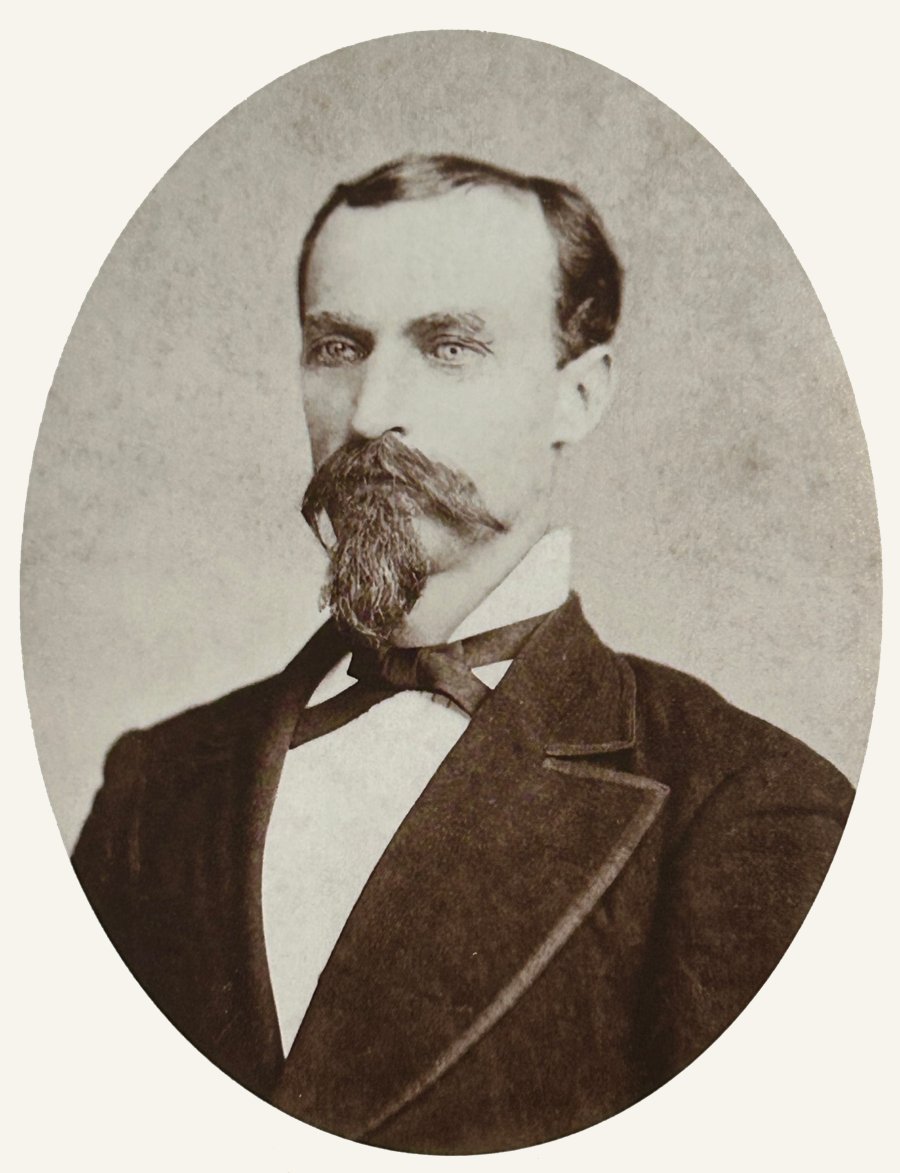
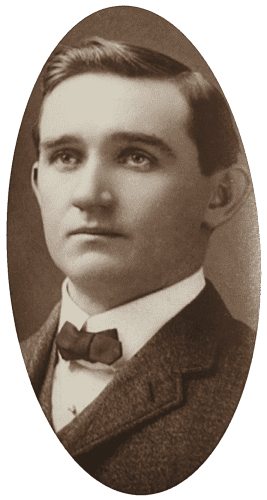
Dr. Arthur C. Scott Sr. (1865–1940) is appointed Chief Surgeon. His first act: firing a dishonest physician — establishing the principle of honesty and quality healthcare.
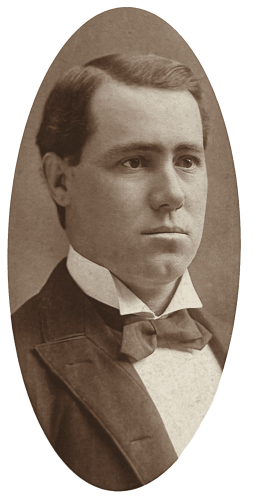
Dr. Raleigh Richardson White Jr. (1871–1917) is hired as House Surgeon by competitive examination, selected for his “superiority as a man of sound medical education and broad common sense.”
A new brick Santa Fe Hospital rises at Avenue H and South 25th Street, its design modified over the decades that follow.
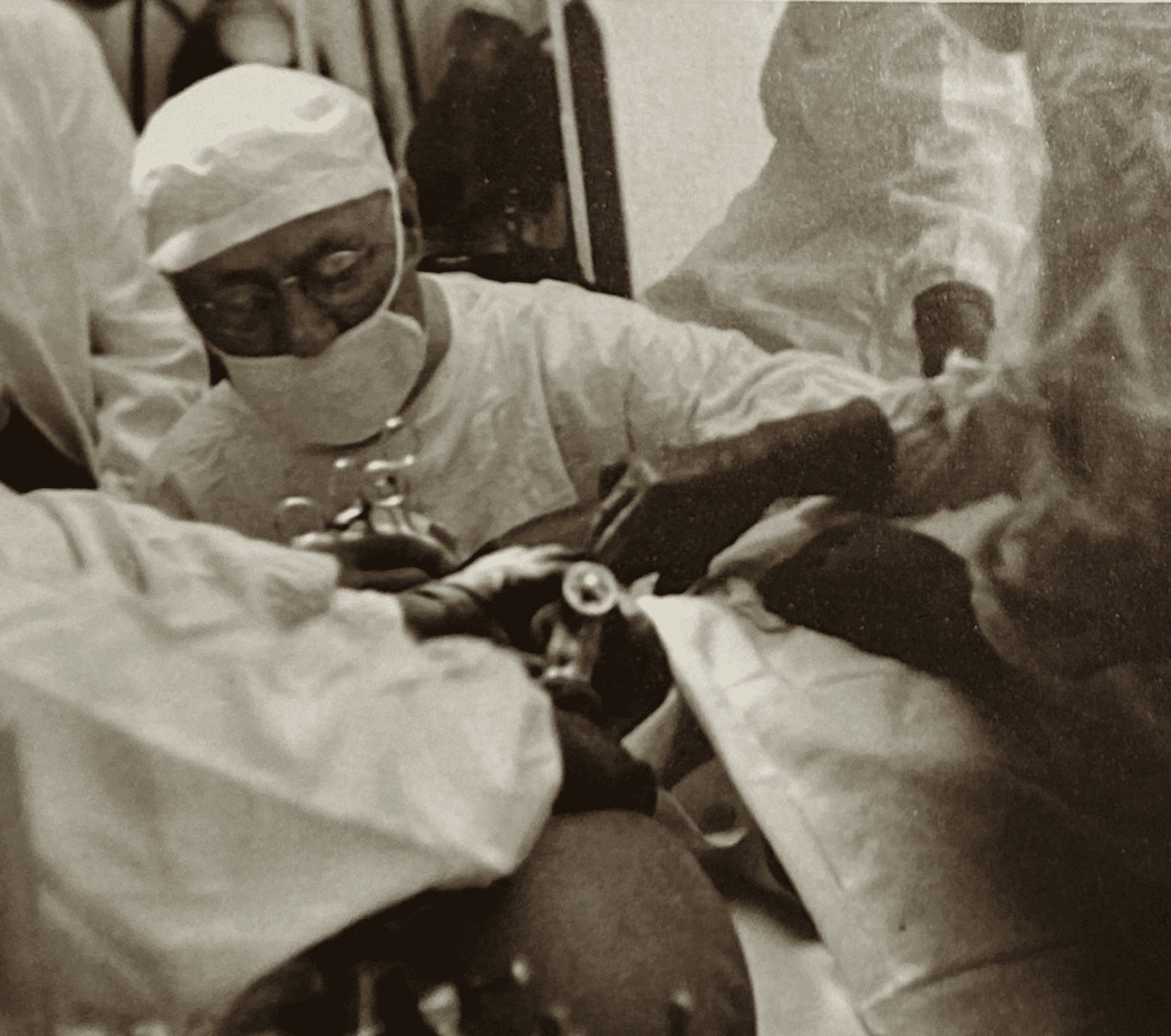
Dr. Scott, focused on surgery at the Santa Fe Hospital and Temple Sanitarium, publishes “What the Public Should Know about Cancer.”
Following Dr. White’s death in 1917 and the reorganization of partnerships, the Temple Sanitarium is officially renamed Scott & White Hospital.
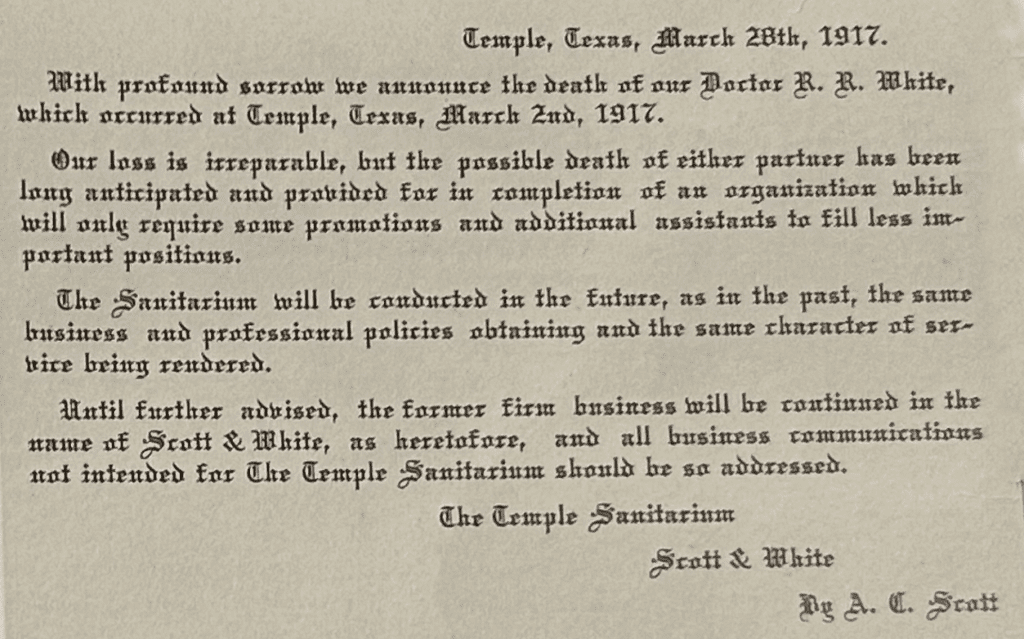
Scott & White Memorial Hospital begins training resident physicians.
Reorganization into the non-profit Scott & White Memorial Hospital and the for-profit Scott & White Clinic.
One of the first formal emergency departments in Central Texas is established, replacing ad-hoc emergency care.
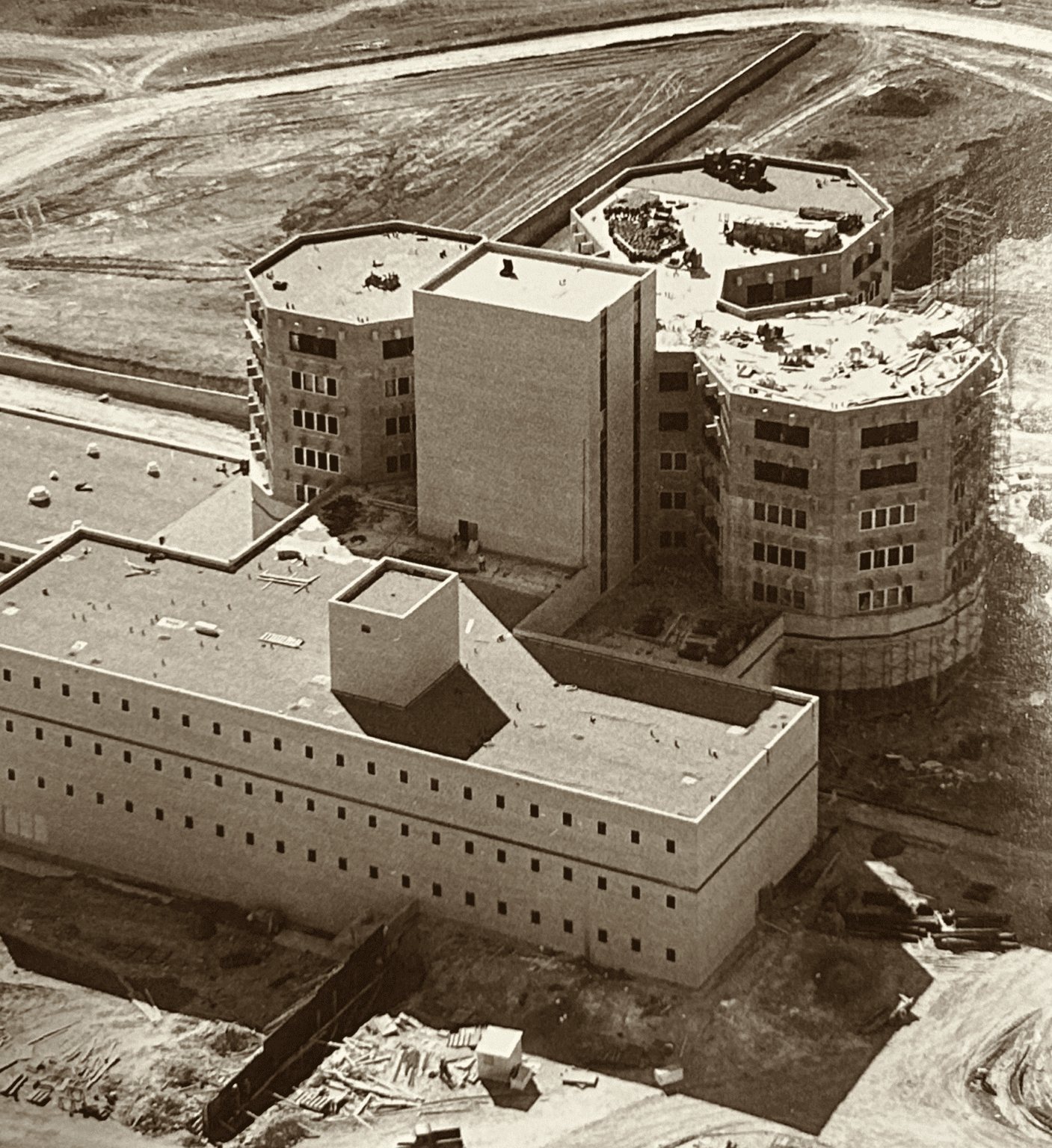
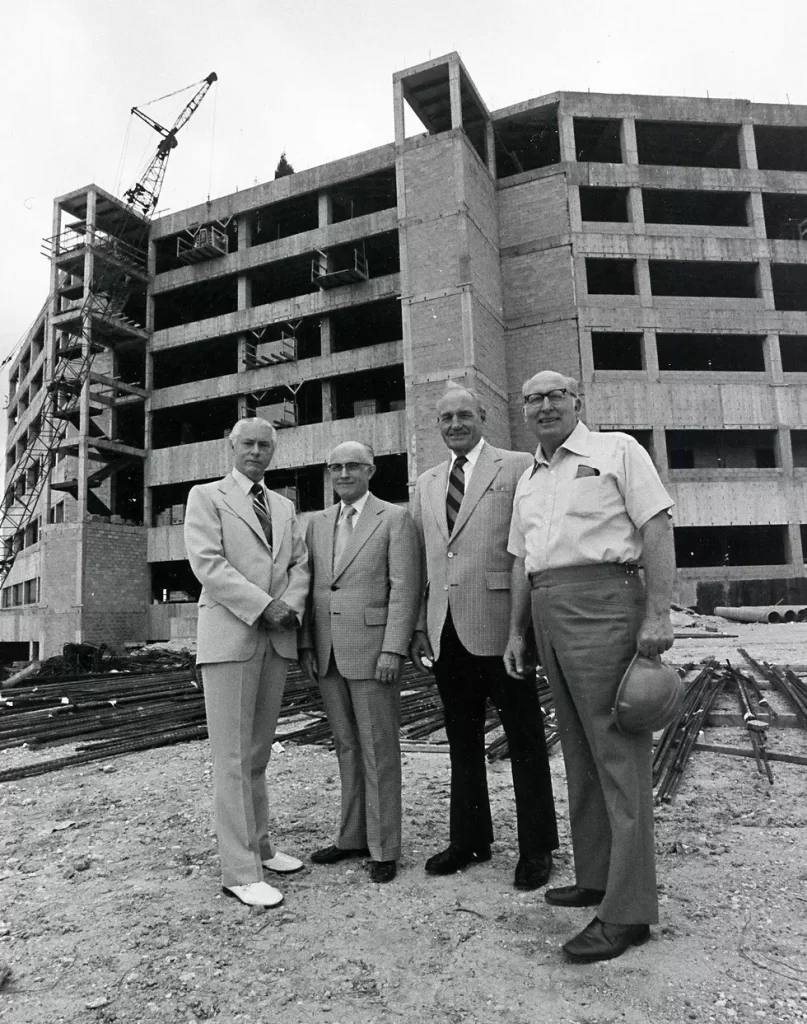
Groundbreaking on December 2 for a new facility on “The Hill” (formerly Killarney Heights) — the institution’s current home.
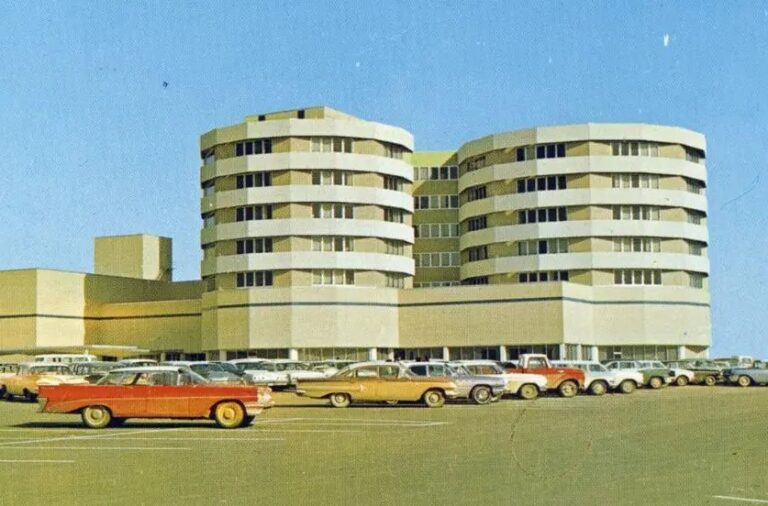
The new hospital — later known as the “Brindley Circles” — is photographed rising over Temple.
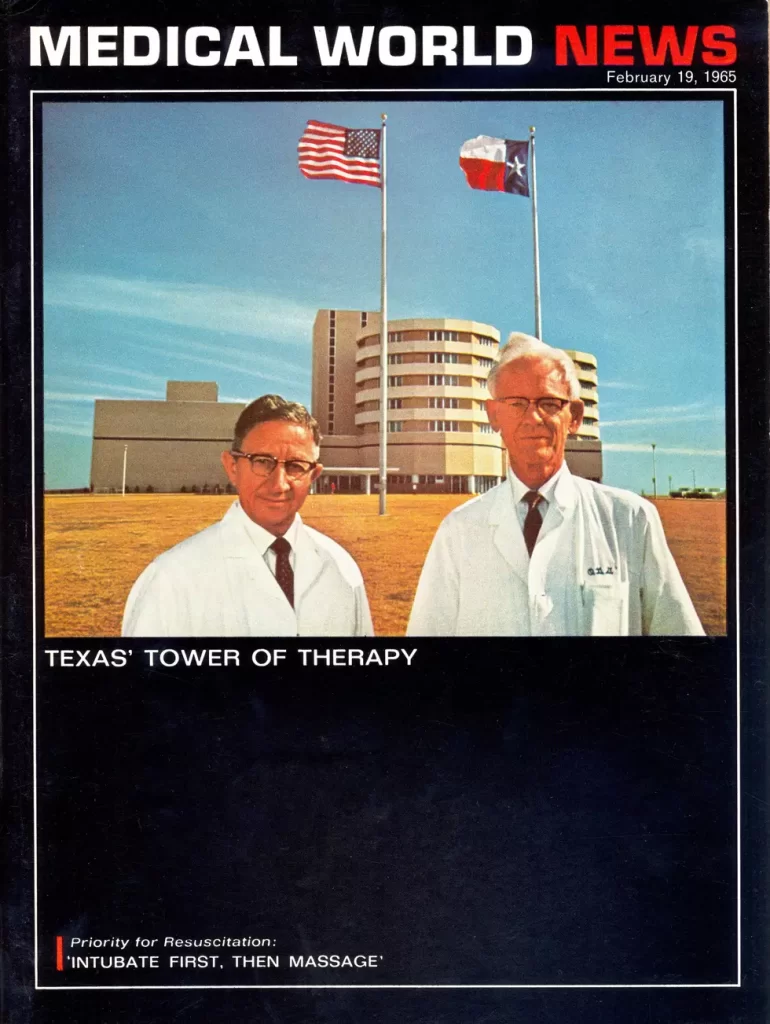
Featured in the national publication Medical World News.
As Interstate 35 swells the region, trauma services expand into one of the first organized trauma response systems in Texas.
Construction begins on the Mabee Center.
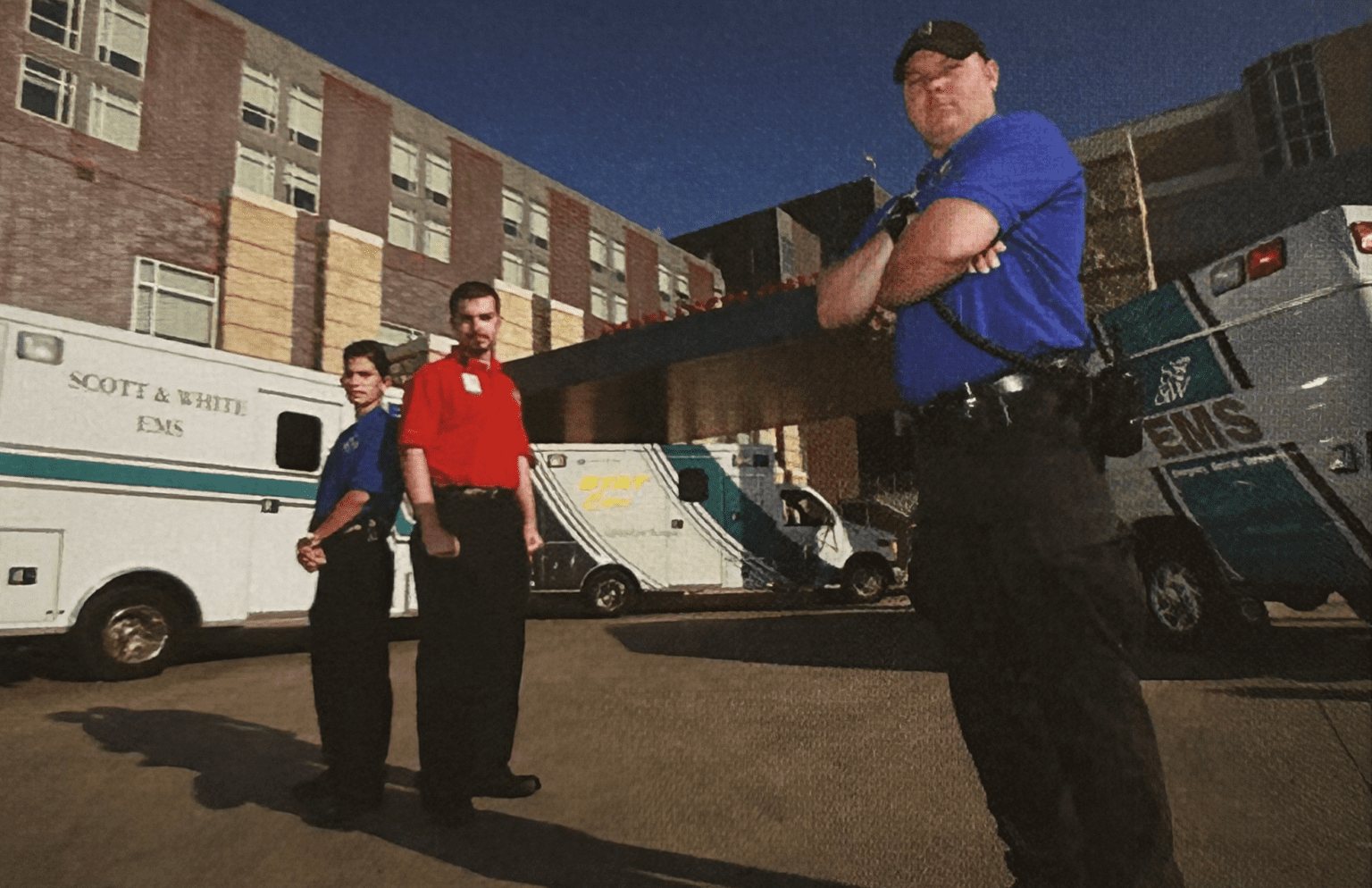
Scott & White EMS is established as a non-emergency medical transport provider.
The emergency medicine residency program is implemented — the second in Texas and one of the earliest in the nation.
The first emergency medicine resident class arrives.
The Central Texas Poison Center opens, serving Region 7’s thirty counties with round-the-clock toxicologic expertise.
The first emergency medicine class graduates; Scott & White EMS contracts with the City of Temple for emergency transports.
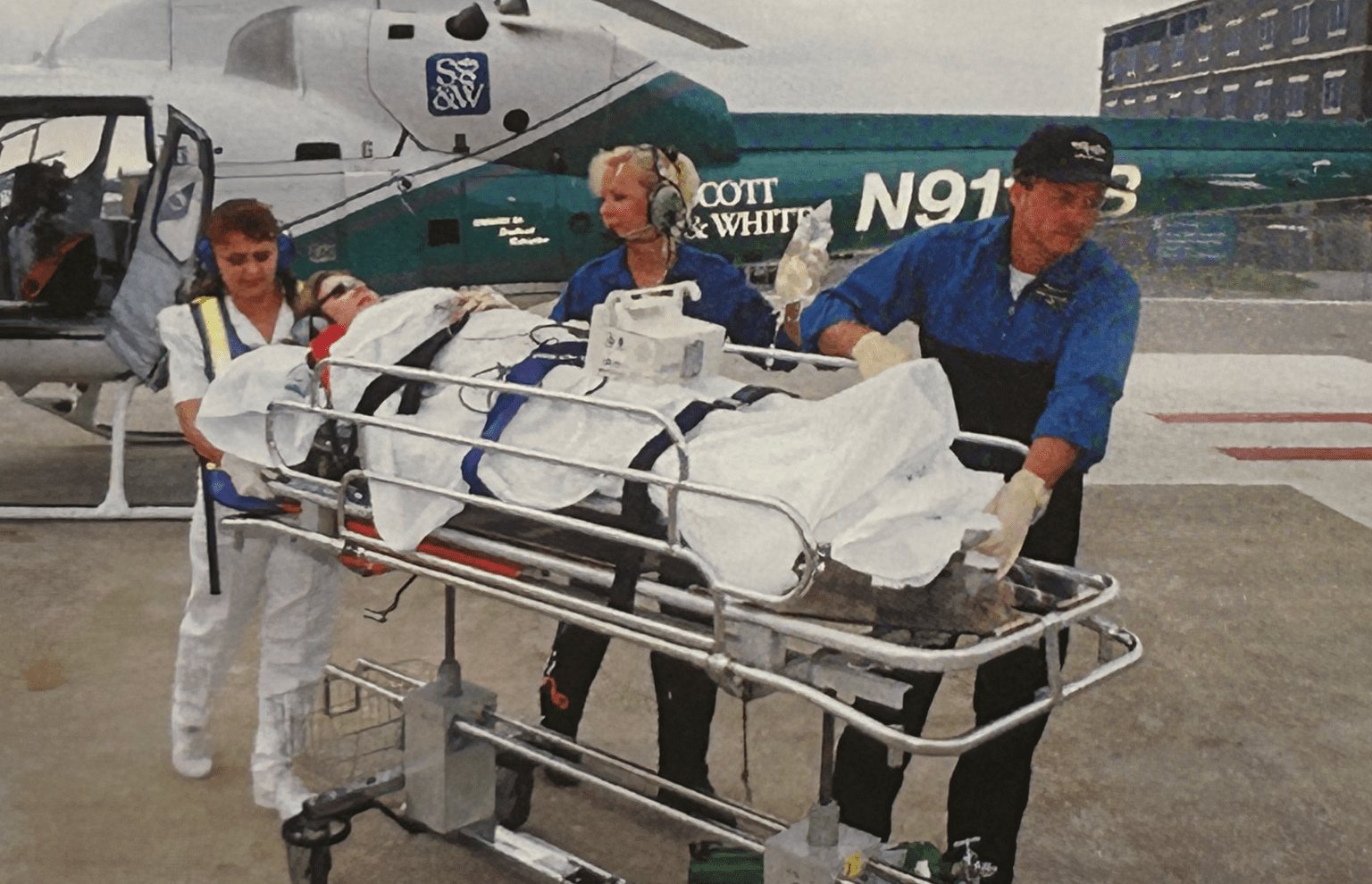
Level II Trauma Center designation achieved, with helicopter ambulance services.
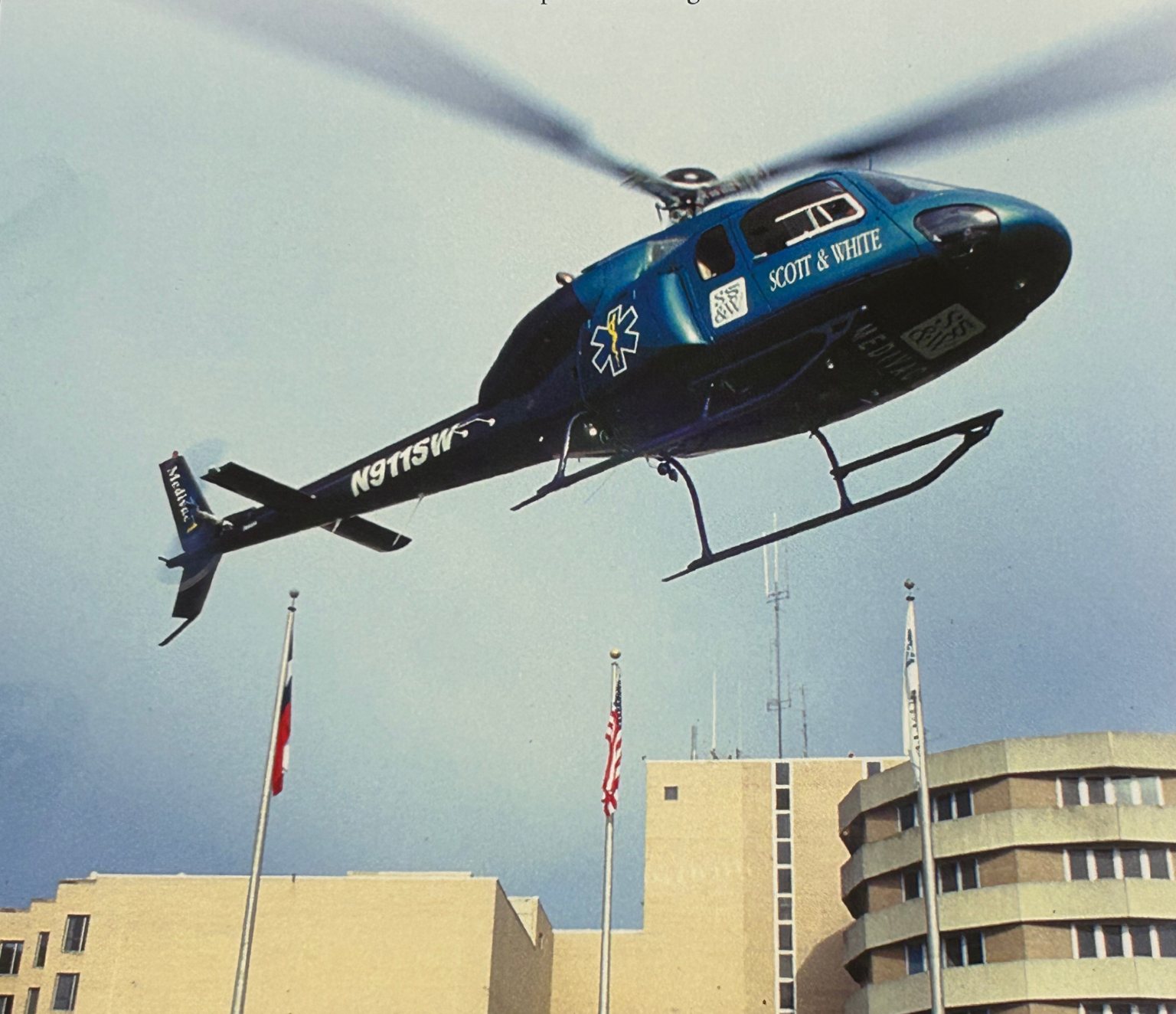
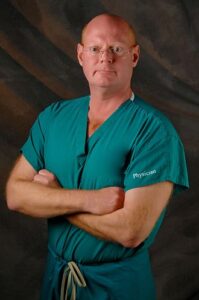
Dr. Sean K. Roden (Class of 1997) begins two decades as a NASA flight surgeon for the International Space Station (2002–2022), including a South Pole Station assignment (October 2012 – February 2013).
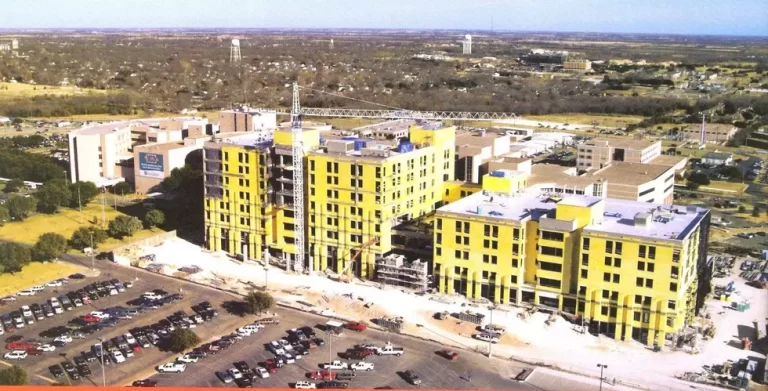
Elevated to Level I Trauma Center; construction begins on the Center for Advanced Medicine to replace the circle towers.
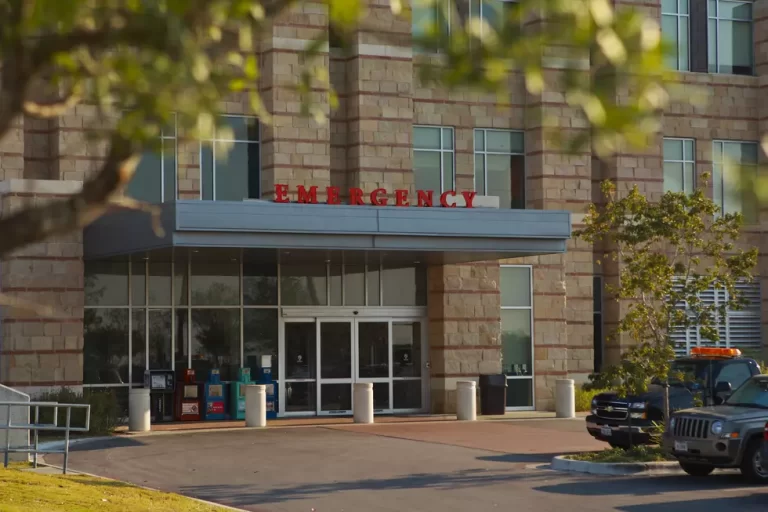
The new hospital is completed with a greatly expanded emergency department.
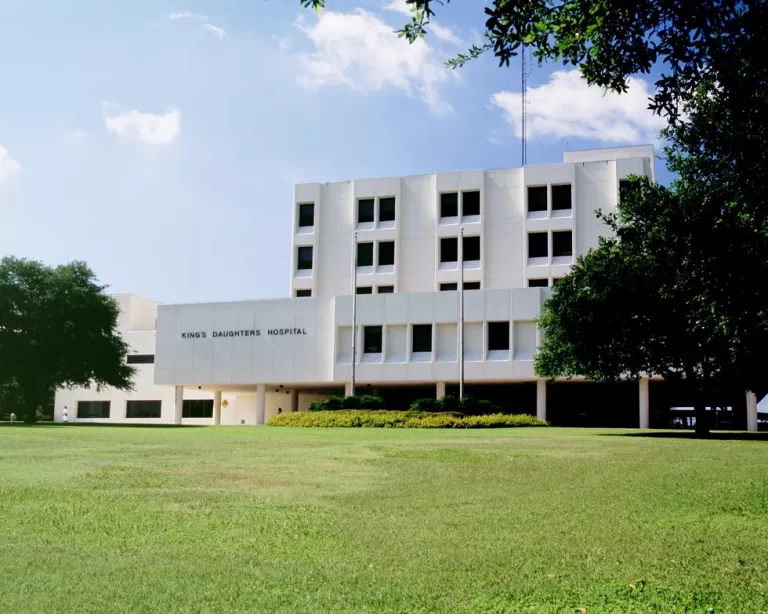
Over 103 residents graduated; 31 in training; a 44-bed ED serving 85,000+ patients annually with 16 teaching physicians. King’s Daughter Hospital is acquired and renovated as a children’s hospital.
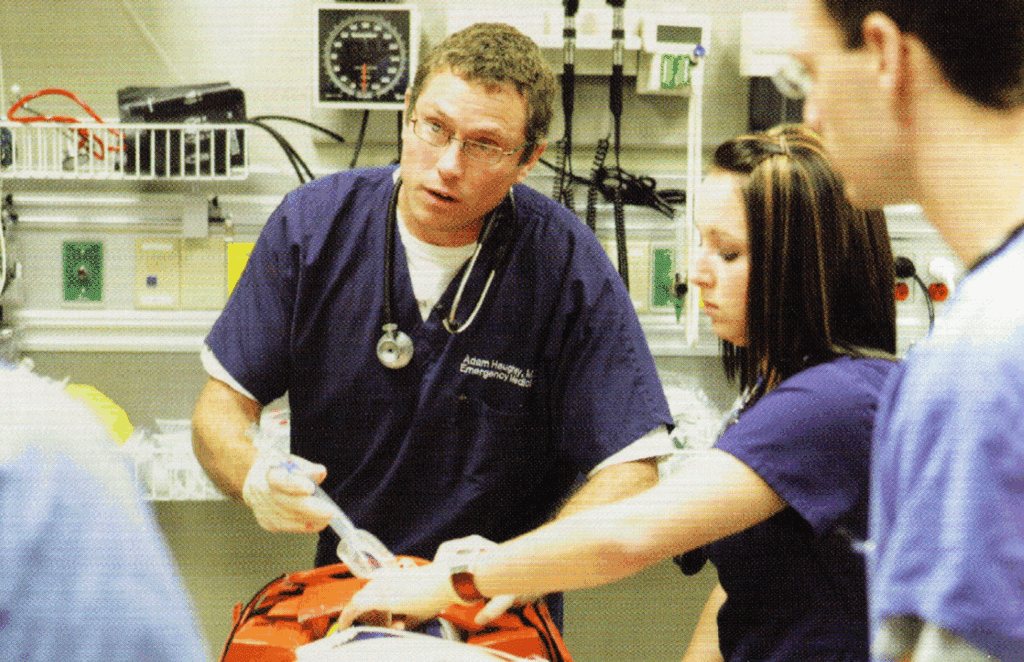
Simulation training expands — featuring resident Adam Haughey, MD.
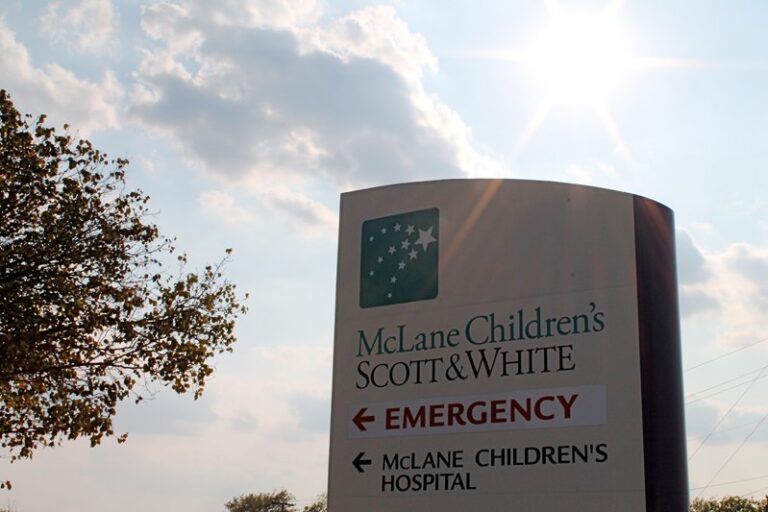
McLane Children’s Hospital opens — the only children’s hospital with a pediatric trauma center between Dallas–Fort Worth and Austin.
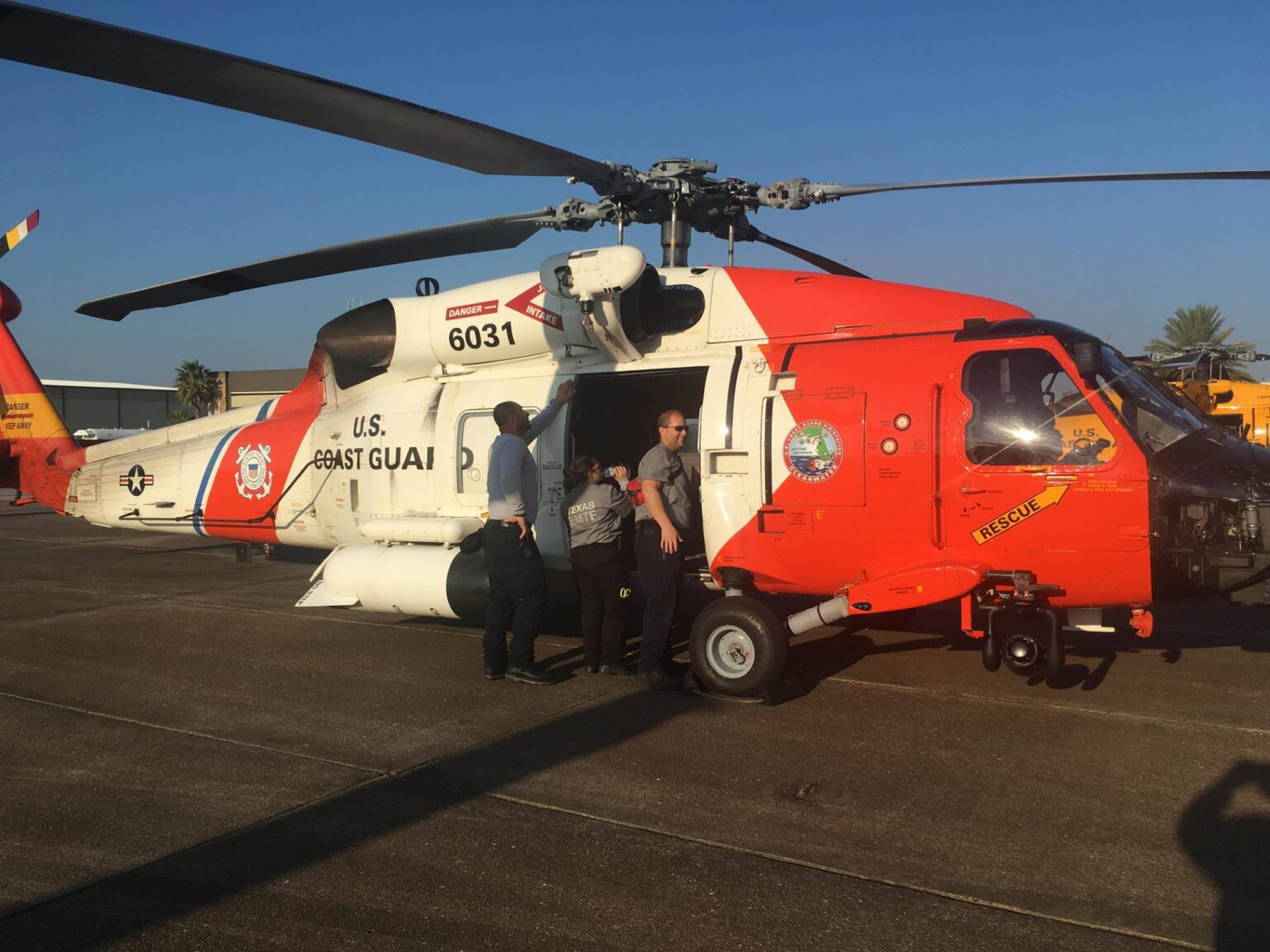
The Baylor–Scott & White merger creates Baylor Scott & White Health, the largest not-for-profit healthcare system in Texas. A resident deploys with the Texas EMTF to Hurricane Harvey.
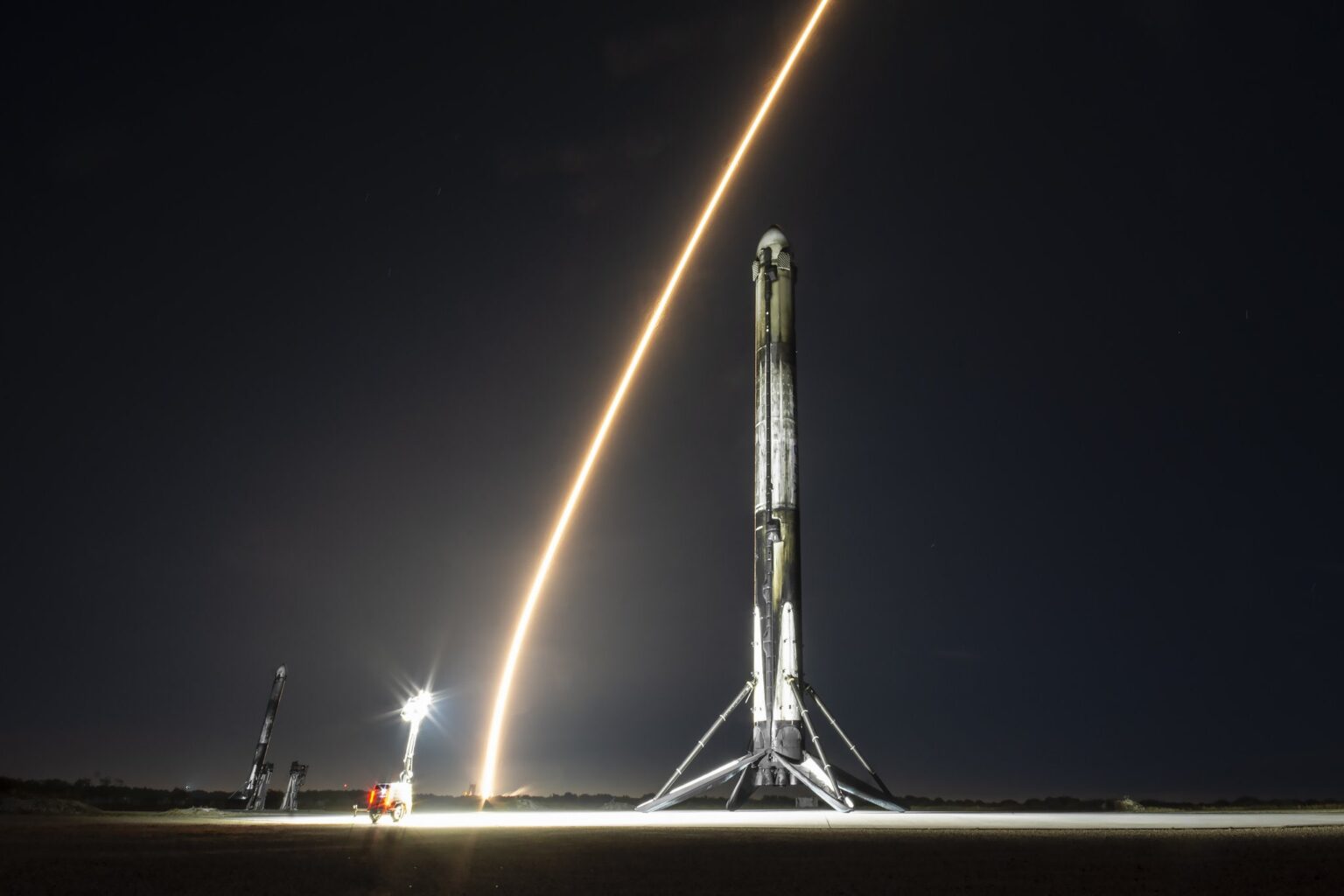
Designated disaster center for SpaceX’s Waco-area site.
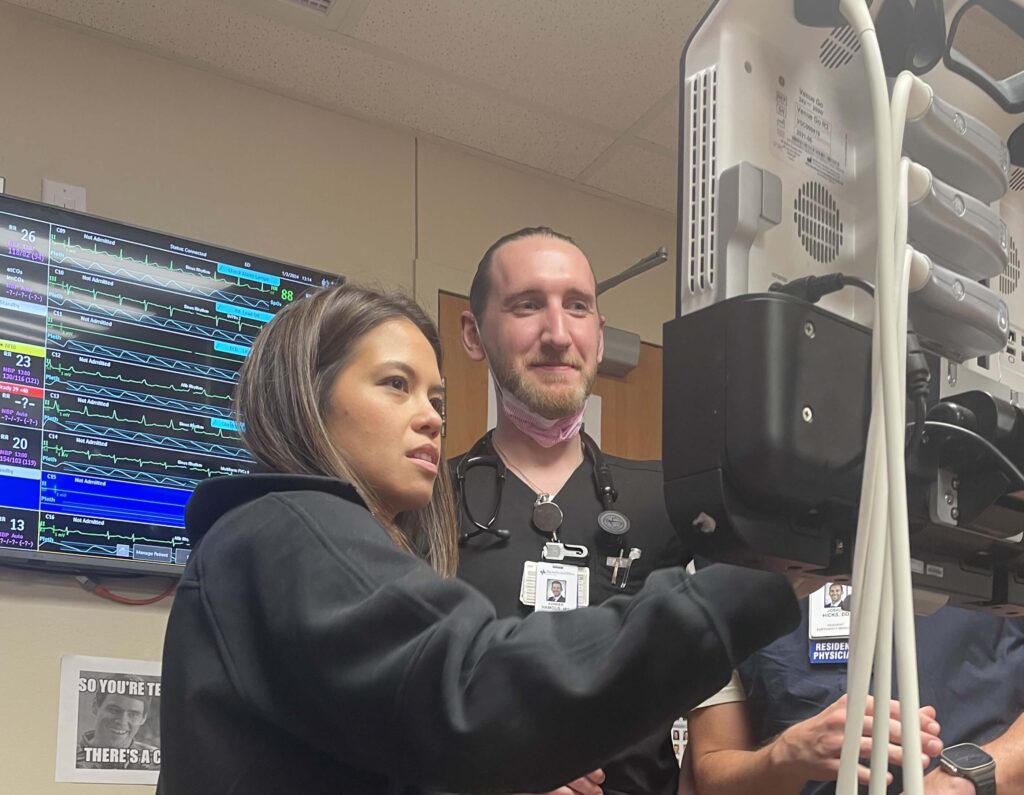
The ultrasound fellowship is created under Dr. Lohse’s direction, with Dr. Malia Tarpley (Class of 2023) as its first fellow.
The residency expands from 14 to 18 residents per class to meet a growing patient population — the resident-run emergency department tradition unbroken.
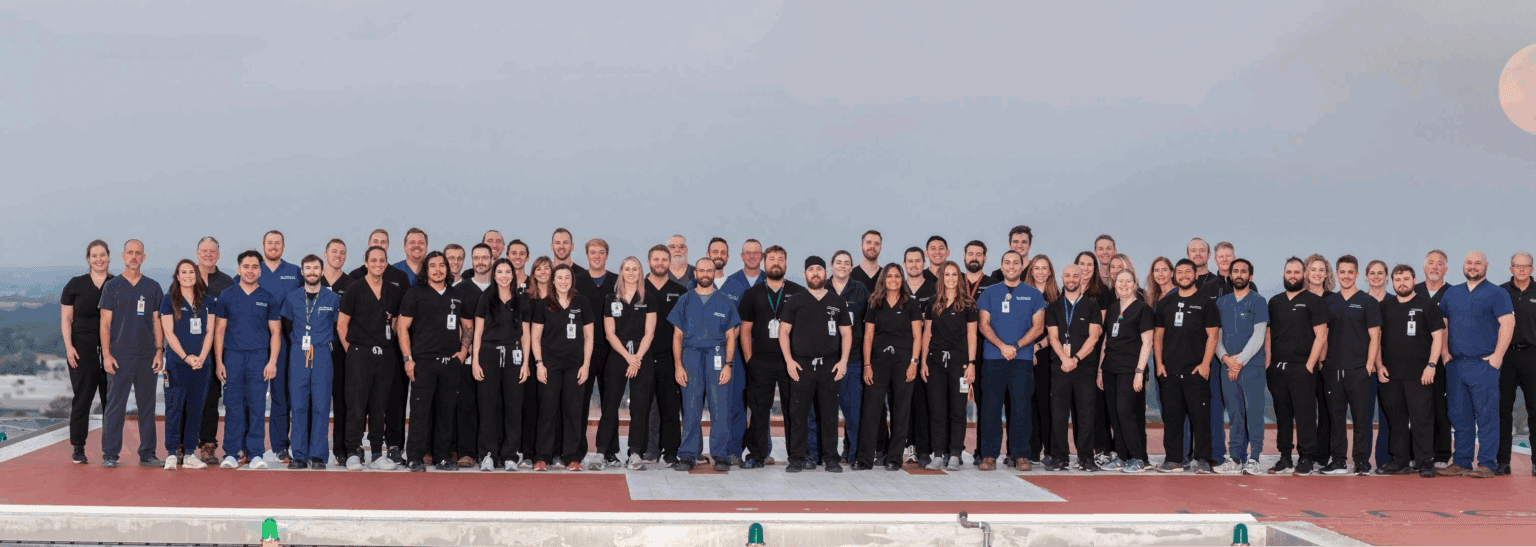
“Guts. Grit. Glory. The ER rodeo never stops — stay on the bull.”
Since 1992
Get in touch
Program Contacts
Lindsey Goodnight
GME Program Administrator
Tel 254.724.5815
Fax 254.724.0408
Cari Cummings
GME Program Administrator
Tel 254.724.0884
Fax 254.724.0408
2401 S. 31st St., Temple, TX 76508