Program
Curriculum
A three-year, ACGME-accredited foundation in emergency medicine — built around the department, the ICUs, and protected weekly didactics.
Rotations by year
The Three-Year Arc
PGY-1
A sound medical foundation: seven months in the emergency department, with four-week rotations in:
- Anesthesia / Ultrasound
- Obstetrics & Gynecology / NICU
- Orthopedics / EMS / Toxicology
- Trauma Surgery
- Medical ICU
- Neuro ICU
PGY-2
Eight months in the emergency department, with monthly rotations in:
- Surgical ICU
- Pediatric ICU
- Emergency Medicine Administration
- Pediatric Anesthesia / Ultrasound
PGY-3
Nine months in the emergency department, with monthly rotations in:
- Surgical ICU
- Emergency Medicine Teaching
Faculty
Who Teaches Here
Full-time, EM-trained, board-certified or board-eligible faculty with major representation at both facilities — including staff at high levels of administration and physicians with extensive experience beyond the academic system.
Fellowship-Trained Staff
- 2 × Ultrasound
- 3 × Emergency Medical Services
- 5 × Pediatric Emergency Medicine
- 1 × Ethics
- 1 × Toxicology
Academics
- Consistently high in-service exam scores nationally
- Weekly oral-boards-based learning
- Journal clubs in evidence-based medicine
- Robust ultrasound program with formal didactics
- Disaster medicine preparedness
EMS & Disaster
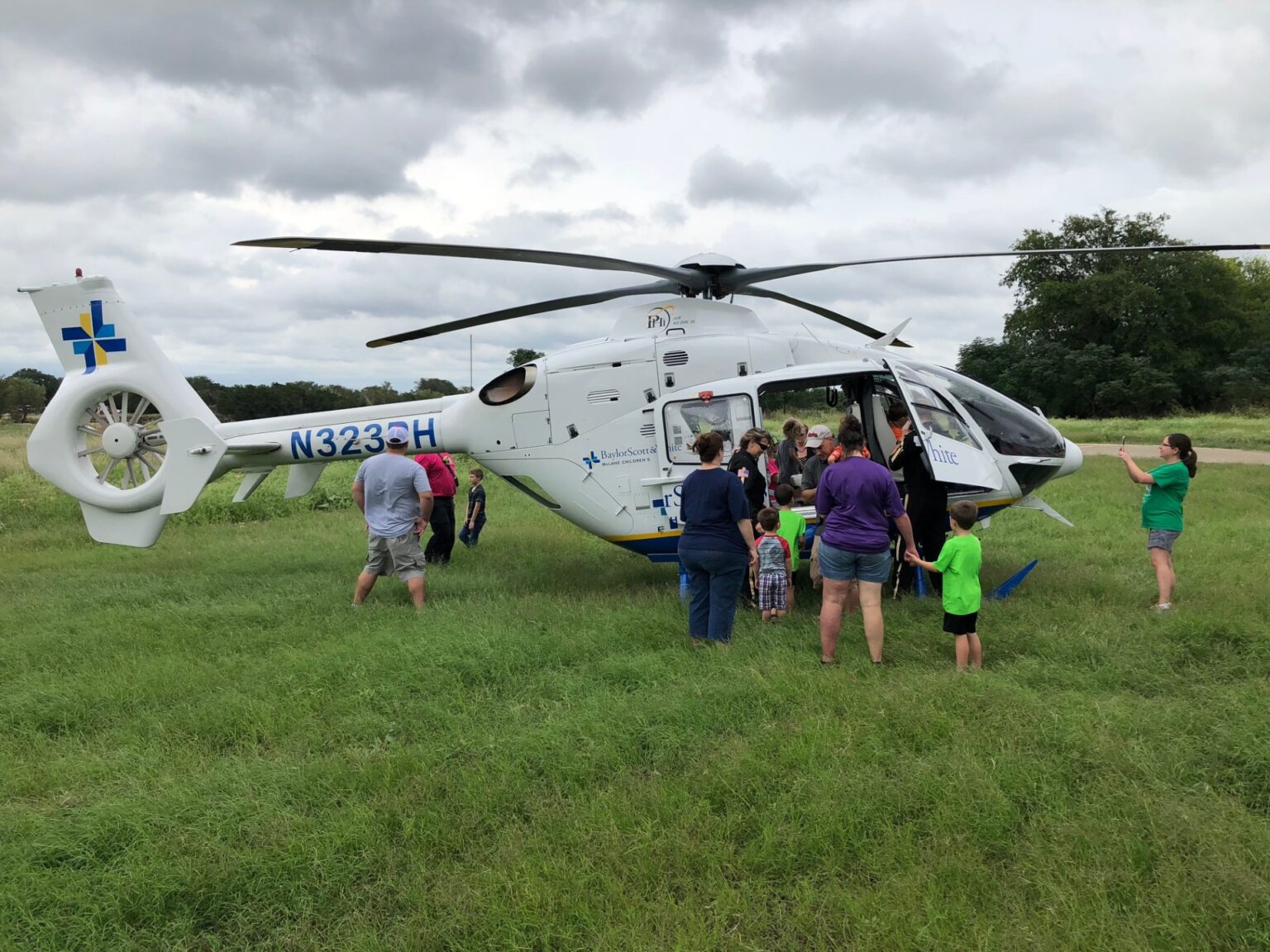
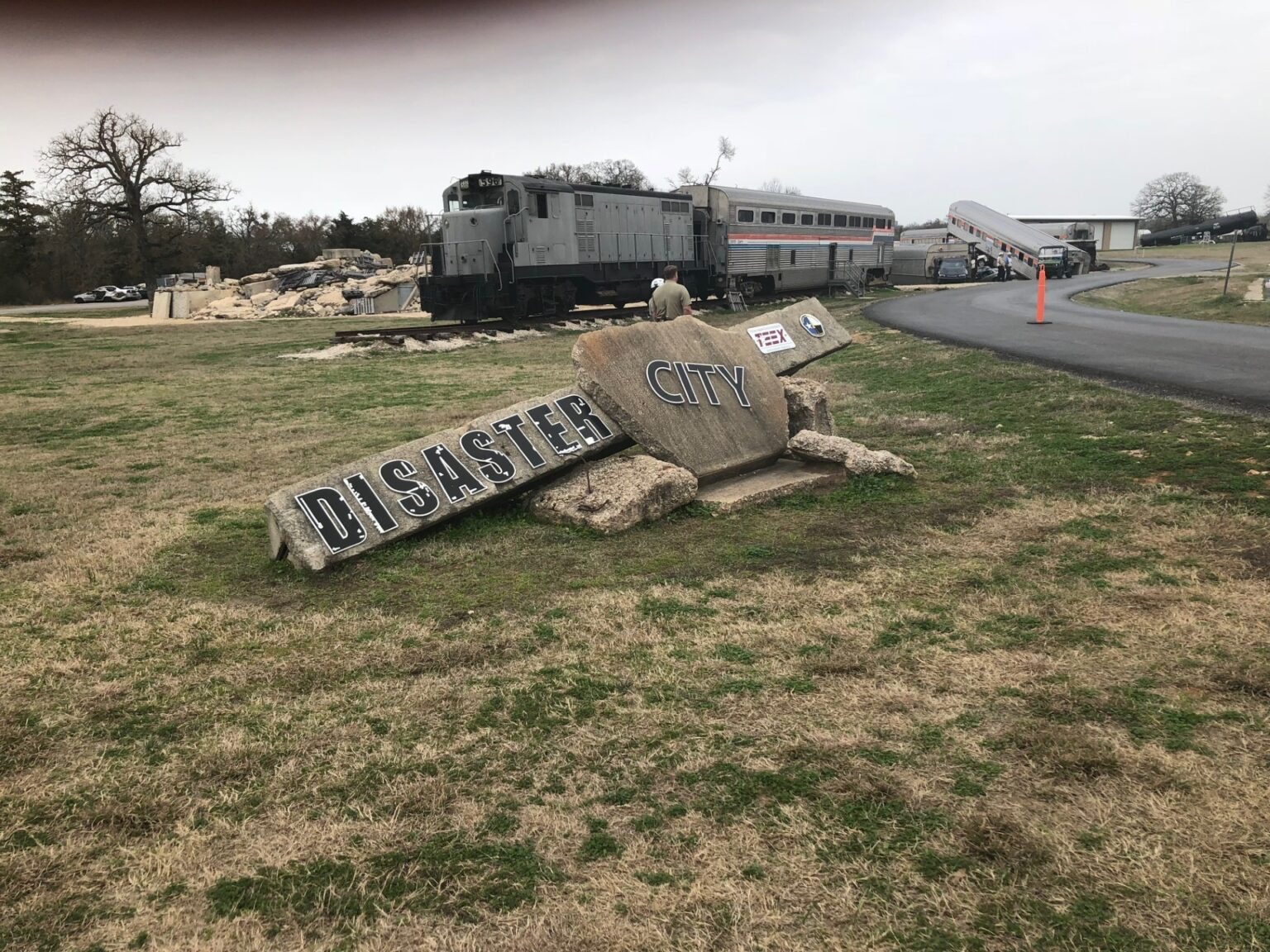
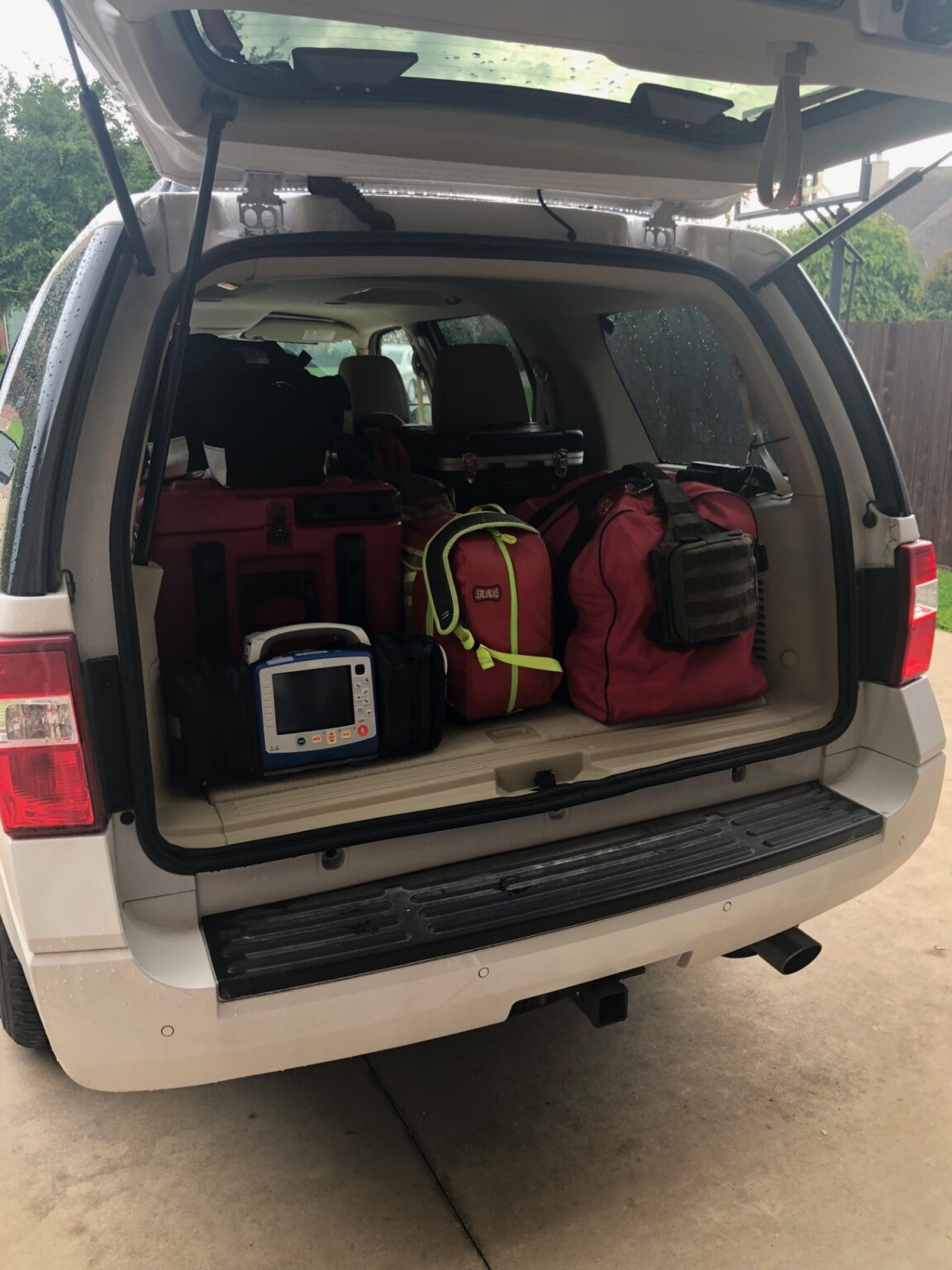
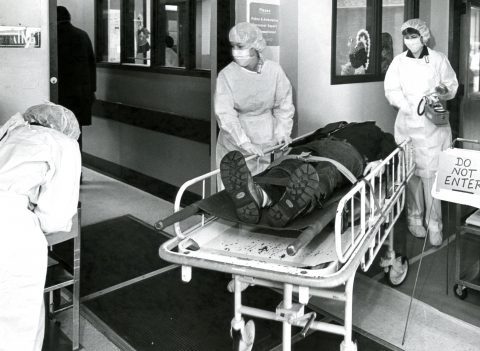
Proximity to TEEX Disaster City in College Station anchors disaster training. In 2017, a resident deployed with the Texas EMTF in response to Hurricane Harvey.
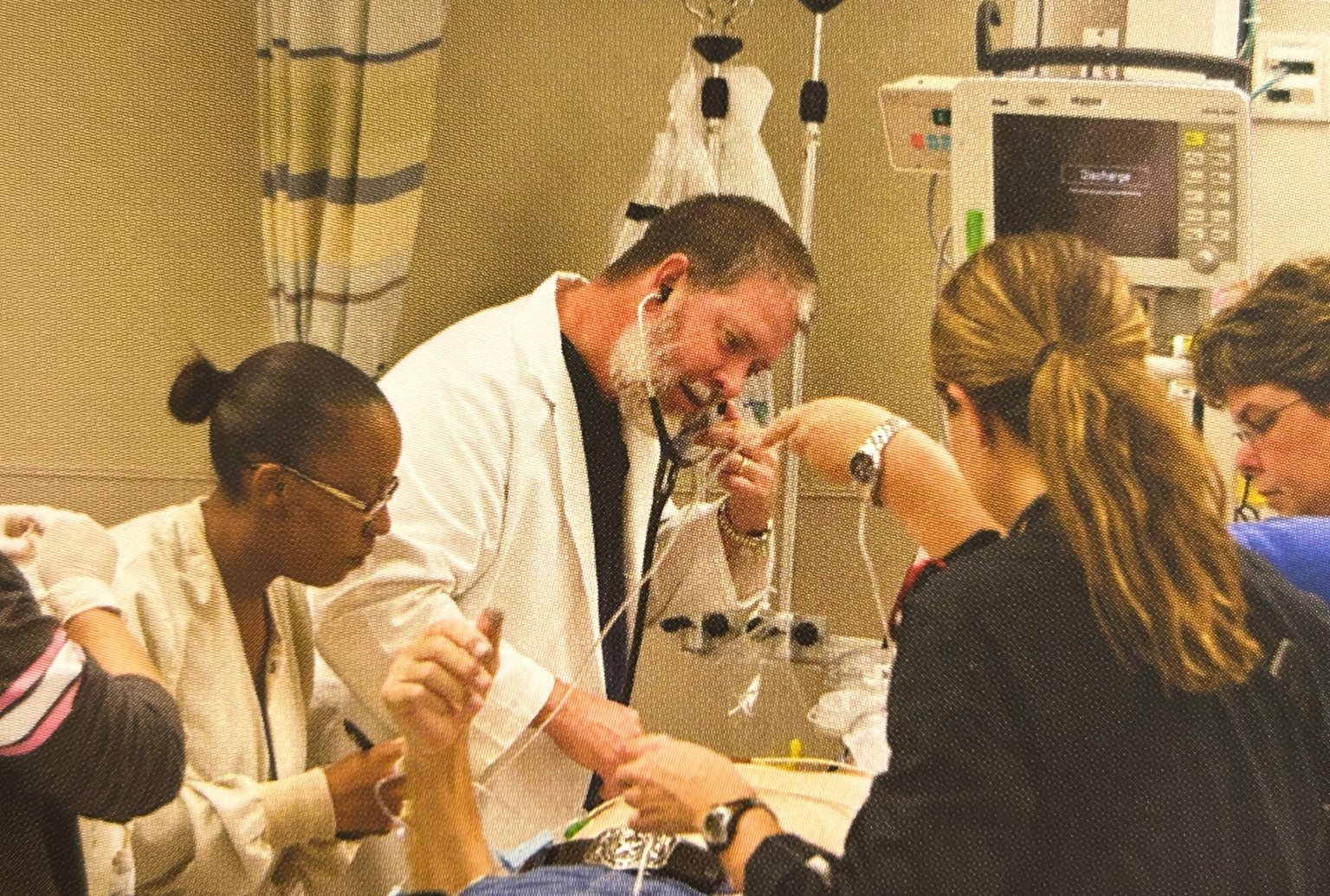
In the field
EMS & Disaster Training
Every Thursday · 07:00–12:00
Conference
Attendance is required and residents are excused from clinical duties. Lectures are given by department faculty, residents, and guest speakers from within and beyond the residency. Since July 2024 the department delivers core content through FOEM, including individualized interactive instruction.
Weekly Conference Topics
Admissions & follow-up · Journal club · Morbidity & mortality (M&M) · Ultrasound & advanced ultrasound · EMS conference · Procedures & simulation · Practice-based learning · Year-directed conference · Physician wellness · Interesting cases · EKG conference · Program Director’s report · Simulated patient encounters · Radiology · Chair’s State of the Union · Pediatric emergency pearls
Procedures & Simulation
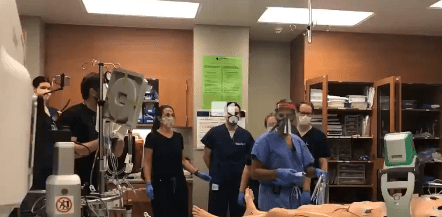
A remarkable four-bed simulation facility modeled after an ED/ICU lets residents learn in a low-stakes environment before applying principles on live patients. Procedural trainers cover advanced and surgical airways, chest tubes, central lines, and lumbar punctures.
Academics & Didactics
Consistently high in-service exam scores nationally · weekly oral-boards-based learning · journal clubs in evidence-based medicine · a robust ultrasound program with formal didactics · disaster medicine preparedness · FOEM core content with individualized interactive instruction.
Research Requirement
All residents complete a mentored research project with a senior staff physician — presented each March at Emergency Medicine Research Day. See the Research page for the division’s aims and publication record.
Moonlighting
Residents moonlight in-house from halfway through second year in the mid-track (ESI 3s and 4s), and may begin external moonlighting at sister facilities by the end of PGY-2.
Get in touch
Program Contacts
Lindsey Goodnight
GME Program Administrator
Tel 254.724.5815
Fax 254.724.0408
Cari Cummings
GME Program Administrator
Tel 254.724.0884
Fax 254.724.0408
2401 S. 31st St., Temple, TX 76508